
22nd INSME Annual Meeting
“Driving SME Competitiveness: Innovation, Sustainability and Growth”
12-13 October 2026
Heraklion, Crete, Greece
Co-organized with:

CONFERENCE THEME
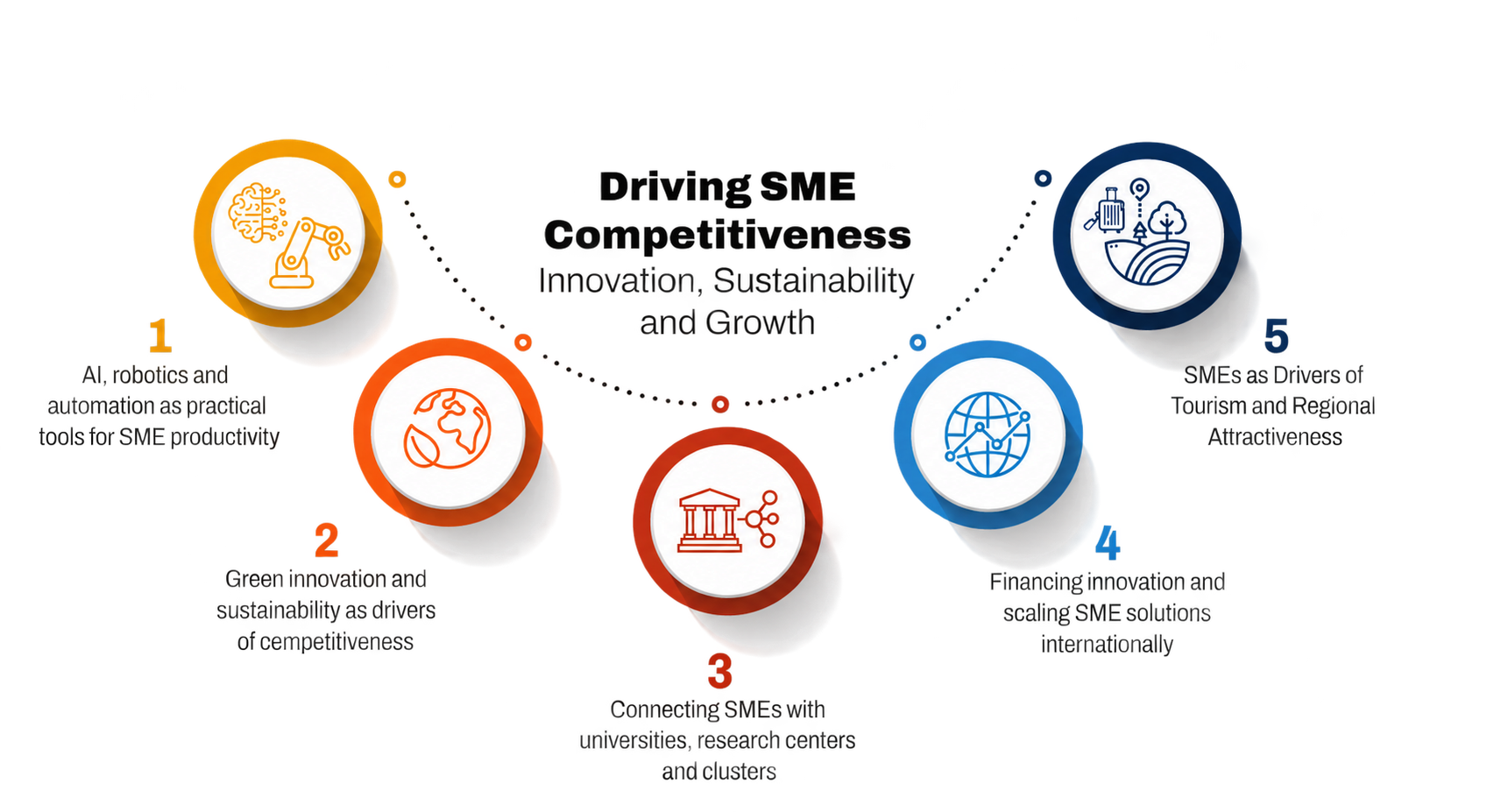
The global competitive landscape is shifting at a pace and scale that leaves little room for hesitation. Technological disruption, environmental imperatives, and the reconfiguration of global value chains are simultaneously raising the bar for Small and Medium-sized Enterprises (SMEs) and redefining what competitiveness means.
At the heart of this transformation lies the convergence of Artificial Intelligence (AI), robotics, and automation. These technologies are proving powerful equalizers, making sophisticated operational and analytical capabilities accessible to firms that previously lacked the scale to develop them in-house. Intelligent systems enable SMEs to streamline production, boost productivity, reduce costs, and respond with greater agility to shifting market demands (OECD, 2026). Alongside this digital frontier, sustainability is emerging as a competitive force in its own right. SMEs that embrace green innovation, circular economy models, and cleaner production meet the growing expectations of consumers, regulators, and value chain partners while unlocking new markets, accessing dedicated financial instruments, and building long-term resilience. Innovation and sustainability, long treated as parallel agendas, are increasingly inseparable drivers of competitiveness.
Yet opportunity does not reach SMEs automatically. Capturing the potential of these twin transitions requires knowledge ecosystems that genuinely work for smaller firms. The connections between SMEs and universities, research centres, technology clusters, and innovation intermediaries remain underdeveloped in many contexts, leaving firms without access to the expertise and applied research that could accelerate their growth. At the same time, access to finance continues to be one of the most significant structural barriers to SME innovation and internationalisation. Without financial architectures designed for firms of limited scale and collateral, including IP-backed finance, development bank instruments, venture capital, and public guarantees, the distance between technological possibility and operational reality remains too wide for most SMEs to cross alone.
When these conditions are in place, however, the returns extend well beyond the individual firm. When they grow, innovate, and internationalise, SMEs anchor the territories in which they operate. In many regions, smaller firms are the primary drivers of tourism, cultural identity, and regional attractiveness, sustaining local economies and communities in ways that larger actors cannot replicate. Strengthening SME competitiveness is therefore as much an industrial policy question as a question of inclusive and territorially balanced growth.
The 22nd INSME Annual Meeting brings together policymakers, entrepreneurs, researchers, ecosystem builders, and financiers in Crete, Greece, to examine how these pieces fit together. The aim is not to celebrate what technology makes possible, but to build a shared understanding of the conditions that allow SMEs across diverse sectors, regions, and levels of development to turn possibility into enduring competitiveness and broadly shared prosperity.
HOST ORGANIZATION
ENTERPRISE GREECE – Enterprise Greece is the national investment and trade promotion agency of Greece, tasked with attracting foreign direct investment and enhancing the international competitiveness of the Greek economy. Through targeted initiatives, international partnerships, and participation in global exhibitions and business missions, the organization promotes Greece as a dynamic business hub while supporting Greek companies in accessing new markets and building international partnerships.
AGENDA
12 October
9:30 – 10:00 Registration and Welcome Coffee
10:00 – 10:30 Opening speeches
- Sergio Arzeni, President, INSME, Italy
- Vasso Kyrkou, Director General Communications & International relations, Enterprise Greece, Greece
- Michael Vamvoukas, Vice Governor of Entrepreneurship, Region of Crete
- Christoph Ahlhaus, CEO, BVMW, Germany
10:30 -10:50 Keynote speech
The Bigger Picture: SME Competitiveness in a Fragmented World
The competitive global landscape is being fundamentally redrawn. Major economic, technological, and geopolitical disruptions, compounded by environmental imperatives and the reconfiguration of global value chains, have simultaneously raised the bar for competitiveness and redefined what it means to be successful. Navigating the emerging fragmented global market is both the defining challenge and the defining opportunity of the decade.
- Lucia Cusmano, Head of the SMEs and Entrepreneurship Division, OECD, France *
10:50 -11:00 Spotlight
Digital Marketplaces and Competitiveness: Opportunities for SMEs in cross-border markets
Digital marketplaces have become one of the fastest routes for SMEs to reach global consumers, understand and address market demand, and reshape expectations around affordability, accessibility and speed. This session offers a platform perspective on what it takes for SMEs to compete in increasingly digital, cross-border markets.
- Leonard Klenner, Executive Assistant for Corporate Affairs to the President, Temu, Germany
11:00 – 12:00 Panel 1: The New Frontier: AI, Robotics and Automation ad Drivers of SME Competitiveness
The diffusion of AI, robotics, and automation across industries is accelerating, reshaping production processes, service delivery, and competitive dynamics. For SMEs, this shift represents a rare opportunity to close productivity gaps that have historically favored larger firms and access capabilities that were once the exclusive domain of industrial giants. Intelligent systems, collaborative robotics, AI-driven process automation are already enabling smaller firms to reduce costs, minimize errors, scale production, and respond to customization demands with a flexibility that larger organizations struggle to match. However, the distance between this potential and the operational reality of most SMEs remains substantial. Adoption is uneven, shaped by sector, geography, firm size, and the availability of the technical skills and support infrastructure needed to make implementation work. The question is no more whether these technologies can benefit SMEs, but what it concretely takes for small businesses to move from awareness to effective, sustained adoption.
Key questions:
- What are the most effective models for supporting SMEs in moving from technology awareness to practical, sustained adoption of AI and automation?
- How can support institutions, technology providers, and policymakers work together to ensure that the productivity gains of AI and robotics are accessible to SMEs across diverse sectors and geographies?
Moderator
- Jay Mitra, Founder International Entrepreneurship Forum and Professor and Research Fellow, Leuphana University, United Kingdom
Speakers
-
Evangelos Xanthakis, Netcompany S.A., BeLux
-
Fan Congming, Executive President, Shenzhen Artificial Intelligence Industry Association (AIIA), China
-
Quan Hong, Founder of PLD and Director of INSME Shenzhen Office, China
-
Manolis Lidakis, Chief Executive Officer, SkyDynamics, Greece
-
Roberto Santolamazza, Director, t2i, Italy
12:00 – 13:00 Panel 2: Going Green to Grow: Sustainability as a Driver of SME Competitiveness
The green transition is no longer a horizon event. It is reshaping market structures, regulatory frameworks, and competitive dynamics in real time. For SMEs, this creates a dual imperative: adapting to tightening environmental standards and supply chain expectations while simultaneously seizing the market opportunities that the transition is generating. Firms that move early on
green innovation, circular economy models, and cleaner production find that sustainability is not a cost to be managed but a source of differentiation, new revenue, and long-term resilience. The challenge is that most SMEs lack the resources, information, and support structures needed to navigate this transition effectively on their own. Green innovation requires upfront investment, access to specialized knowledge, and the ability to demonstrate environmental credentials to partners and customers – barriers falling disproportionately on smaller firms. Without targeted support, the green transition risks widening the gap between large firms and most SMEs left to adapt alone.
Key questions:
- What policy instruments and support mechanisms are most effective in helping SMEs move from compliance with green standards to active green innovation and market leadership?
- How can financial institutions, public bodies, and value chain actors work together to make the green transition a genuine source of competitive advantage for SMEs rather than a regulatory burden?
Moderator
- Paola Zerilli, Senior Lecturer, University of York, United Kingdom
Speakers
- Alessandro Antonini, Institutional Relations Director, Unioncamere, Italy
- Georgios Amanakis, Recycling Manager, Plastika Kritis S.A., Greece
- Raimund Bröchler, Delivery and Program Manager, Netcompany S.A., BeLux
- Tamas Fehérváry, Managing Director, MGFÜ
- Sophia Kassidova, Head of Strategy and Green policies, BDB, Bulgaria
13:00 Family picture
13:00 – 14:00 Networking Lunch
14:00- 15:00 Panel 3: No Business is an Island: Connecting SMEs with Universities, Research Centers and Clusters
Innovation rarely happens in isolation. The businesses that most successfully navigate technological and market transitions are typically embedded in dense networks of knowledge exchange, mainly universities, research centers, technology clusters, and innovation intermediaries. These key actors accelerate learning, reduce the cost of experimentation, and open doors to new markets and partnerships. For SMEs, such connections can make the difference between incremental improvement and transformative growth. Yet in many contexts, the relationship between SMEs and the knowledge base remains weak, transactional, or entirely absent. Research outputs struggle to reach suitable businesses. Technology transfer mechanisms are designed around large industrial partners. Clusters lack the governance and resources to generate genuine collaboration. Closing these gaps demands institutional models, incentive structures, and intermediary organizations that are explicitly built around the needs and constraints of smaller firms.
Key questions:
- What institutional models and intermediary structures are most effective in building sustained, productive connections between SMEs and universities, research centres, and clusters?
- How can technology transfer mechanisms and collaborative research frameworks be redesigned to serve SMEs rather than defaulting to the needs and timescales of larger industrial partners?
Moderator
- Giovanni Zazzerini, Secretary General, INSME, Italy
Speakers
- Mar Cervera Reig, Innovation and International Program Manager, Alicante Science Park, Spain
- Andrea Di Anselmo, President & Founding Member, META Group, Italy
- Gong Li Mei, General Director, Shenzhen Nanshan Association for the Development of Small and Medium‑sized Enterprises, China
- Panagiotis Partsinevelos, Vice Rector for Research and Innovation, School of Mineral Resources Engineering, Technical University of Crete, Greece
- Nektarios Tavernarakis, Professor, FORTH / University of Crete, Greece
15:00 – 16:00 Panel 4: Funding the Future: Building the Financial Architecture for SME Innovation and Scale
Access to finance ultimately determines whether all the other pieces come together. An SME may have the technological capability, the market insight, and the ecosystem connections needed to grow and internationalize, but without adequate, appropriately structured financing, none of it translates into scale. The financing needs of innovative, growth-oriented SMEs are specific: they require instruments that can accommodate limited collateral, longer return horizons, and the risks associated with technology adoption and international expansion. Existing financial architectures were not designed with these firms in mind.
Development bank instruments, venture capital, blended finance mechanisms, and public guarantees are evolving but too slowly, and often without sufficient coordination between public and private actors. Building a financial architecture that genuinely serves SMEs across diverse geographies and development contexts is a question of political will, institutional design, and the readiness of financial actors to share risk in new ways.
Key questions:
- What would a financing architecture purpose-built for innovative, growth- oriented SMEs look like, and how far are current instruments from delivering it?
- How can public development finance institutions and private investors design risk-sharing mechanisms that make SME technology adoption and internationalization a viable and attractive proposition for both parties?
Moderator
- Vasso Kyrkou, Director General of Communications, Marketing and Stakeholder Relations, Greece
Speakers
- Inge Buffolo, European Union Intellectual Property Office, Spain
- Eleonore Cottarel, Partner, Investing for purpose, Greece
- Elio De Tullio, Managing Partner &IPR Attorney, De Tullio & Partners, Italy
- Boyko Takov, Executive Director, BSMEPA, Bulgaria
- Vangelis Tzouvelkas, Professor, Department of Economics, University of Crete, Greece
- Konstantinos Vavekis, Head of Technical Operations, PRAXI Network (FORTH), Greece
16:00-17:00 Panel 5: Rooted and Competitive: SMEs as Drivers of Tourism and Territorial Attractiveness
The contribution of SMEs to economic life extends far beyond their balance sheets. In many regions, smaller firms are the primary architects of territorial identity, cultural vitality, and local attractiveness. They sustain restaurants, artisan workshops, hospitality businesses, creative enterprises, and service providers that make places worth visiting, living in, and investing in. Tourism and regional attractiveness are, in many contexts, SMEs competitiveness’ most visible expression. Nonetheless, this role is rarely recognized in mainstream competitiveness frameworks, and the firms that play it are seldom the primary beneficiaries of innovation and growth support. As digital tools, sustainability expectations, and changing visitor behaviors reshape the tourism and regional development landscape, SMEs in these sectors face significant pressure but also significant opportunity. Capturing that opportunity requires policies, financial instruments, and ecosystem support designed with their specific characteristics and territorial rootedness in mind.
Key questions:
- How can innovation and competitiveness support frameworks be better designed to recognize and strengthen the role of SMEs as drivers of tourism, regional identity, and territorial attractiveness?
- What policy and institutional conditions allow SMEs rooted in local culture and territory to grow, innovate, and internationalize without losing the distinctiveness that makes them competitive?
Moderator
- Hamsa Thota, President, Innovation Business Development (IBD), United States
Speakers
-
Baybars Altuntas, Chair, World Business Angels, Türkiye
-
Federica Leonetti, International Business Advisor for SMEs and entrepreneurs, Unioncamere Piemonte, Italy
-
Péter Mogyorósi, CEO, LC Innoconsult, Hungary
-
Anastasia Sarchosoglou, Coordinator of EEN – Hellas, National Documentation Centre (EKT), Greece
17:00- 17:30 Summary of the outcomes and closing remarks
- Giovanni Zazzerini, Secretary General, INSME, Italy
13 October
9:30 – 10:00 Welcome Coffee
10:00 – 11:00 INSME General Assembly
Members of the General Assembly are informed about ongoing and future activities, projects, and achievements, including the INSME 2025 financial statements and the forecast for 2026. Delegates share updates about their projects and initiatives, and new members introduce themselves.
11:00 – 13:00 Brokerage event
The Brokerage Event will contribute to the development of new partnerships, joint project ideas, and future cooperation initiatives, including opportunities for mentoring, internationalisation, knowledge exchange, and participation in EU-funded projects.
Speakers
|
CEO BVMW |
Before he was appointed Federal Managing Director of the BVMW eV in July 2023, Christoph Ahlhaus was a member of the German parliament, a councilor, an interior senator, and the first mayor of Hamburg. As chairman of the Conference of Interior Ministers in 2010, Ahlhaus earned cross-party respect as a close advisor to the federal government in internal security. Ahlhaus has been working as an independent lawyer in Berlin since 2004. He has also made a name for himself in legal circles with his expert opinion on the constitutionality of the IT Security Act. Further stations were the German University for Administrative Sciences in Speyer and the German-American Chamber of Commerce in New York. As General Secretary of the Federal Economic Senate, the excellence committee, and think tank of the BVMW, Ahlhaus has made a name for itself as a knowledgeable supporter of medium-sized companies for many years. |
|
Business Consultant World Business Angels |
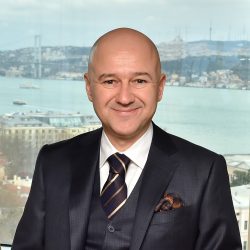
Former Senior Advisor of the London Stock Exchange Group (LSEG) for the Elite Program, Executive Chairman of the World Business Angels Investment Forum (WBAF) – an affiliated partner of the G20 Global Partnership for Financial Inclusion (GPFI) chaired by the Queen Maxima of the Netherlands, Council Member of the Inclusive Capitalism – founded and chaired by Lynn Forester de Rothschild and operates under the moral guidance of Pope Francis.The only angel investor to be granted a personal audience with President Obama at the Presidential Summit on Entrepreneurship in Washington DC. Awarded as JCI Ambassador, following Ban Ki-moon, Secretary General of the United Nations. Recipient of the European Trade Association of Business Angels (EBAN) award for the Best Individual in Europe Globally Engaging with the Global Entrepreneurial Ecosystem in 2014 (Ireland), 2015 (Netherlands), 2016 (Portugal), 2017 (Spain) and 2018 (Bulgaria). A co-author of Planet Entrepreneur: The World Entrepreneurship Forum’s Guide to Business Success Around the World, published by Wiley (2013). Author of How I Became a Top TV Star and Celebrated Investor, published by Balboa Press (2014) and translated into Spanish, Chinese, Croatian, Albanian, and Macedonian. Star of the Turkish version of the television show Dragons’ Den / Sharks Tank. Profiled by leading international media such as CNN International, Bloomberg, BBC. An international art collector with a deep appreciation for cultural heritage, he has the privilege of hosting “Portrait d’Un Homme Debout Avec Barbiche / Portrait of Standing Man with Goatee,” a masterpiece by Pablo Picasso, at Maison Altuntas, alongside selected works by distinguished artists from around the world. |
|
Recycling Manager Plastika Kritis S.A.
|
Georgios Amanakis is a Mechanical Engineer with nearly three decades of experience in leading industrial operations, complex construction and MEP projects. Also deeply involved in renewable-energy development, environmental and recycling initiatives in Greece and internationally. Currently serving as Environment and Recycling Director at Plastika Kritis in which he manages the recycling operations and a nationwide network for collecting agricultural films and other company products, with a strong focus on environmental protection and the circular economy. Untill now his career includes managing of manufacturing facilities with up to 180 employees and €28 million in annual turnover, the development and delivery of 14.42 MW of photovoltaic projects with total value of €35 million, technical leadership of major five-star hotel and energy-efficient building projects. He has participated in the design and establishment of a new production plant in Kansas, USA. He holds a B.Sc. in Mechanical Engineering and two master’s degrees (MSc), in Energy Utilisation & Environment and in Environmental Design of Infrastructure Projects. |
|
President INSME |
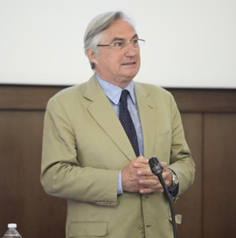
Sergio Arzeni is President of the International Network for Small and Medium Enterprises – INSME. Mr. Arzeni is also a Senior Advisor of Friends of Europe; an Executive Member of the Global Coalition for Efficient Logistics GCEL; Member of the Advisory Board of SRM, the Research Centre on the Mediterranean of Intesa San Paolo Bank, in Naples; Member of the Editorial Board of the Journal of Entrepreneurship and Innovation in Emerging Economies (published by Sage Publishing in London, New York and New Delhi). For over 30 years he has been the Director of the OECD (Organization for Economic Cooperation and Development) in Paris responsible for SMEs, Local Economic and Employment Development, and Tourism. |
|
Secretary General FISME |
Mr. Bhardwaj is the Secretary General of the Federation of Indian Micro and Small & Medium Enterprises (FISME) in New Delhi and a private sector and trade development professional. He holds master’s degrees in Economics and International Trade. His specializations include industrial and trade policy issues, the promotional and regulatory environment for SMEs, and market access issues related to MSMEs in multilateral trade negotiations (like the WTO) and regional trade agreements. He has advised on and worked on several SME development projects commissioned by multilateral and bilateral agencies, including the World Bank, ADB, UNCTAD, UNIDO, UNDP, UNESCAP, ITC, the Asian Productivity Council, the EU, DFID, and GIZ. He has authored books and guides for SMEs and writes regularly on issues affecting Indian MSMEs. |
|
Delivery and Program Manager Netcompany S.A. |
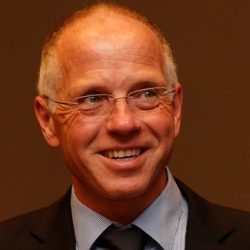
Dr. Raimund Bröchler is Senior Delivery Manager and Program Manager at Netcompany S.A. (former Intrasoft Intl.), where he leads complex digital transformation programmes and supports the development of innovative digital labs and projects. His work focuses on turning strategic innovative ambitions into practical, high-impact solutions while managing diverse stakeholders across organisational and technical environments. With extensive experience in stakeholder management, technology transfer and digital innovation, Dr. Bröchler helps organisations navigate technological change and build sustainable capabilities. As a member of the Federal Expert Committee of the German Economic Council, he contributes his expertise in the digital economy to discussions on industry strategy, economic development, and technology policy. His work combines hands-on programme leadership with a broader commitment to ensuring that digital progress creates lasting value for business, government, and society |
|
Director Business Development Department EUIPO |
Inge Buffolo is Director of Business Development at EUIPO (European Union IP Office). With the objective of fostering innovation in the EU she is responsible for the promotion the IP system, SME support initiatives including the ‘Ideas Powered for business’ network, and IP Valuation. Since 2018 Inge has led the SME Programme, bringing IP information and protection to European SMEs. The SME Fund has to date provided financial support to over 63,000 SMEs to help them protect their IP rights. A German telecommunications engineer, Inge has been in the EUIPO management team since 2010, holding positions such as Head of Institutional Relations, Head of Business Analysis and Customer Department Director. |
|
Fan Congming Executive President Shenzhen Artificial Intelligence Industry Association (AIIA) |
Master’s degree in Software Engineering from Fudan University and a Ph.D. in Management from the University of Electronic Science and Technology of China. He is a Senior Engineer and Senior Technician with extensive experience in artificial intelligence, robotics, and technology innovation. He is the Founder and Executive Vice President of the Shenzhen Artificial Intelligence Industry Association, Executive Dean of the Artificial Intelligence Research Institute of the Global Innovation Center, Director of the Guangdong RISC-V Center, Executive Dean of the Guangdong Future Industries Research Institute, and Founder of Lizhu Science and Technology Innovation Incubation. Fan has served as a strategic advisor to companies including UBTECH, Koala Youran, Dahuan Robotics, and DataGrand, and as a director of Aoni Electronic and 3onedata. He has also contributed to the development of professional training standards in artificial intelligence and authored books including Introduction to Machine Vision and Visual Applications and Artificial Intelligence Trainer. |
|
Eleonore Cottarel Partner Investing for Purpose |
Eleonore is a Partner of Investing For Purpose, an impact venture capital fund backing seed stage companies in Greece and beyond. The fund provides capital and strategic support to entrepreneurs building businesses that address environmental and social challenges, with a focus on climate and the environment, diversity and inclusion, and education and culture. With a background in private equity investor relations and operations, Eleonore has worked in London, New York, Paris and Hong Kong. Throughout her career, she has helped establish and grow investment and advisory firms, leading strategic initiatives, advisory engagements and capital raising efforts. She has advised several midmarket private equity and venture capital impact funds and organised investor roundtables on impact investing. Committed to climate action and social progress, she works to direct capital towards businesses that deliver positive environmental and social outcomes. |
|
Head of the SMEs and Entrepreneurship Division and Head of the Unit on SME and Entrepreneurship Transformation OECD |
Lucia Cusmano is Deputy Head of the SME and Entrepreneurship Division at the OECD Centre for Entrepreneurship, SMEs, Regions and Cities (CFE). Ms. Cusmano has a PhD in Economics from the University of Pavia (Italy) and has completed a Master of Science in Economics at Warwick University (UK). She has authored OECD works on SME financing, SME innovation, SME eco-innovation and green entrepreneurship, and benchmarking of SME and entrepreneurship policy. |
|
Managing Partner & IPR Attorney De Tullio & Partners |
Elio De Tullio is a lawyer and trademark attorney specialising in Intellectual Property, with 20 years of experience in assisting SMEs with the protection and exploitation of their intellectual property rights at the international level. After 10 years of experience in IP matters, he founded in 2005 the IP tech-law firm De Tullio & Partners, with offices in Rome and Bari and a liaison office in New York. He cooperates as an expert with EUIPO in Expert Groups (ECP6 – Supporting SMEs), EU Observatory Expert Groups (SMEs, Legal) and Working Groups (Enforcement). He cooperates as an expert with Italian Ministries (Foreign Affairs, Economic Development, and Agriculture), the European Commission (in particular, EASME as Coach of SME Instrument) and WIPO (SME Division). He is also an expert and lecturer of the Italian Trade Agency (ICE-ITA). Since 2015 he has been a Board Member of the International Network for Small and Medium Enterprises (INSME). |
|
President META Group |
Andrea Di Anselmo is the President of META Group, an international advisory and investment firm with offices in Italy, Slovenia, Poland, Sweden and Belgium (Brussels). He is the Past President of INSME (the International Network for SMEs), and sits on the Board of Directors of META Ventures, the fund management company operating Ingenium Funds, EURADA, the European Association of Regional Development Agencies and several companies. Andrea’s most recent professional experience is at an international level and concentrates on challenge-based innovation, innovation strategies (S3), financial tools and support to “Knowledge Intensive” enterprises and entrepreneurs, and exploitation of research results. He has a background as a civil engineer and research experience in materials science at the University of Storrs Connecticut (USA).
|
|
Managing Director MGFÜ |
Tamás earned his Economist degree from the Faculty of Business Administration at Corvinus University of Budapest. He began his career in 2011 at the financial subsidiary of one of the largest Hungarian owned private companies. There, serving first as an operations manager and later as CEO, he focused on commercial banking and state-refinanced retail and SME lending, as well as receivables management and factoring. After moving to a different role within the group, he became the Real Estate Portfolio Director in 2017, thereby joining the group’s executive management team. He also served on the supervisory boards of several manufacturing and financial companies. Between 2018 and 2021, he was the Managing Director of the joint venture established by the IKARUS Group and China’s CRRC, where he coordinated the prototype development and market launch of electronic vehicles intended for the European market. Following a one-year return to the financial services sector, he then joined the Hungarian Economic Development Agency (HEDA)—which provides targeted business development services and grants for SMEs— as Financial Director in November 2022. He is now serving as the Managing Director of HEDA since September 2024. |
|
Quan Hong Founder PLD |
Quan Hong is an international culture and technology projects creator organizer with over 20 years’ experience. With psychology and philosophy background, she is German – Italian Museum ICOM member, Authorized Representative of Art Exhibitions China. She founded Shenzhen PLD in 2003, as PR Strategy company, providing services to top real estate groups, as well as international companies entering the Chinese market — including HP, PWC, and ABB. In 2012, PLD awarded the top three strategic consulting firms in China’s real estate industry. Since 2018, following the global trends in “culture, economics, and technology”—she facilitated the signing of a “Friendly City” agreement between the region Puglia and Shenzhen, Italian Museums cultural relies exhibitions organized by her have been held in eight Chinese museums, attracting over two million visitors. In 2019, she supported Italian companies in promoting medical solutions in collaboration with UBTECH Robotics of Shenzhen. From 2022 to 2025, as European Manager of FTXT Energy Technology, she helped expand the company’s partnerships in Europe. By December 2025, FTXT’s hydrogen engines and testing center had arrived in Italy and were collaborating with Italian universities, institutions, and enterprises. |
|
Head of Strategy and Green Policies BDB |
|
|
Executive Assistant for Corporate Affairs Temu |
Leonard Klenner is the Executive Assistant for Corporate Affairs to the President of Temu and is responsible for the company’s EU relations. Before joining Temu in 2023, he worked for international technology companies, most recently at Stripe, a financial technology company. Leonard Klenner began his career as a researcher in the USA, after studying at the Johns Hopkins School of Advanced International Studies, the University of Oxford and the Ludwig Maximilian University of Munich. |
|
Vaso Kyrkou Enterprise Greece |
Vaso Kyrkou is the general director of communications, marketing & stakeholder relations at Enterprise Greece, where she has worked for more than 20 years. An experienced communications professional, Vasso has an extensive track record of designing and implementing international stakeholder engagement and communication strategies. Prior to joining Enterprise Greece, Vasso served in various communication roles in the private sector, mainly related to shipping, IT and education. She is also currently vice president of the ANIMA Investment Network. |
|
Novák Csaba László Head of Unit MGFÜ Közhasznú Nonprofit Kft.
|
Csaba graduated from the University of Economic Sciences (now Corvinus University) in Budapest. For the first ten years of his career, he worked at the Institute of World Economics of the Academy of Sciences in Budapest, specializing in Asia and the European Union. In parallel, he completed an MSc in Economics at University College London and later earned a PhD at the Centre for Economic Reform and Transformation in Edinburgh, under the supervision of Prabir Bhattacharya and Mark E. Schaffer. In 2003, Csaba joined the Ministry of Economy, where he helped establish the managing authority function. Over the following nearly twenty years, he held a range of positions and worked at various levels of the ERDF implementation system, with a particular focus on areas such as SME development and R&D. Alongside his professional career, Csaba teaches wine economics at the University of Tokaj and, together with his family, cultivates a small vineyard in the region. |
|
International Business Advisor for SMEs and entrepreneurs Unioncamere Piemonte |
Accomplished International Business Advisor and Project Manager with over twelve years of experience supporting SMEs and entrepreneurs in internationalisation, innovation, and market expansion within Unioncamere Piemonte, a long‑standing member of the Enterprise Europe Network (EEN)—the world’s largest SME support network, active in more than 40 countries and composed of over 600 international nodes. Her professional trajectory is characterised by strong leadership in the creative industries, particularly textiles and fashion, and by a proven capacity to manage European projects, coordinate multi‑actor ecosystems, and foster cross‑border collaborations managing b2bs and international partnerships activities. |
|
Chief Executive Officer SkyDynamics
|
|
|
Gong Li Mei General Director Shenzhen Nanshan Association for the Development of Small and Medium‑sized Enterprises |
Gong Limei, Master’s Degree in Economics and Management from Hong Kong Polytechnic University. She serves as general director of Shenzhen Nanshan Small‑ and Medium‑sized Enterprises (SME) Development Promotion Association, and Head of Nanshan Comprehensive Service Platform for ICT Scientific and Technological Achievement Certification & Tier‑based Cultivation, of China Academy of Information and Communications Technology Director of Nanshan SME Financial Service Station. She has long been dedicated to serving local SMEs and building a collaborative service system linking government and enterprises. She pioneered the “Service Station + Industry Association” operating model and leads Shenzhen’s officially‑authorised centralized computing‑power procurement platform for SMEs. By pooling high‑quality intelligent computing resources, she supports SMEs in AI‑driven innovation and has facilitated a total of RMB 28 billion in comprehensive credit granting for Nanshan‑based enterprises. |
|
Founder IEF University Business School |
Jay Mitra is a Professor of Business Enterprise and Innovation. He is a Visiting Scholar at Luneburg University in Germany and has held Visiting Professorships at the Institute of Management Technology in India, the School of Management, Fudan University in China, Bologna University, in Italy and Externado University in Colombia. He has acted as a Scientific Adviser to the OECD (Organisation for Economic Co-operation and Development) in Paris. Prof. Mitra is a Fellow of the Royal Society of Arts in the UK and is a board member of INSME (International Network of SMEs) headquartered in Rome. He also leads the International Entrepreneurship Forum (IEF) a unique network and forum for researchers, policymakers and business practitioners working on entrepreneurship, innovation and regional development. He has written widely on different aspects of entrepreneurship, innovation and economic development, and his latest book is ‘The Business of Innovation’ published by Sage in 2017. He is the editor of the ‘Journal of Entrepreneurship and Innovation in Emerging Economies, also published by Sage and a member of the board of numerous refereed journals around the world. He has worked with various institutions around the world such as UNCTAD, UNIDO, ASEAN, EU and other government agencies and private sector organisations. |
|
Péter Mogyorósi CEO LC Innoconsult, Hungary |
Dr. Péter Mogyorósi has a degree of PhD in Physics from JATE University, Szeged (Hungary, 1986). He was a researcher in various European universities (JATE, Szeged; JHKU, Linz; Uppsala University) from 1984-1992. His research area was: Laser-induced micro-fabrication of solid surfaces. He published 25 scientific papers and received the Young Scientist Award of European Material Society in 1988.He has extensive practical experience in innovation management, research-industry co-operations, technology transfer and project development for international clients based on 30+ years’ work experience. He has participated as guest lecturer in many trainings and seminars on innovation management, commercialization and exploitation. In addition, he holds presentations and speeches at different national and international events (conferences, seminars, workshops).He has been the CEO of LC Innoconsult since 1992. Dr. Péter Mogyorósi has gained the experience in the field of exploitation of project results through contribution in the implementation of 80+ FP7 and H2020 and Horizon Europe projects, in which he has been a member of the expert team. Recently he has been exploitation team leader of 16 big consortium projects of H2020, Horizon Europe and CBE & BBI JU.He has significant experience on the field of coaching as well, since he provided coaching service for 15 H2020 SME Instrument beneficiaries, for 5 selected start-up companies in 2014 in the framework of PROFIS Project and 100+ companies in North Macedonia.During the last 30+ years he has been working as an external consultant on many projects for the European Union, NATO and the United Nations (UNIDO, UN ESCAP) and World Bank.His expertise covers mainly commercialization of R&D results, strategic planning, negotiations, establishment of new co-operations, business development. He has experience in Europe (special experience in West-Balkan) and in the Far-East (China, Taiwan, Japan, Korea, Singapore), India and Türkiye. |
|
Vice Rector for Research and Innovation School of Mineral Resources Engineering, Technical University of Crete |
Panagiotis Partsinevelos is Professor of Geoinformatics at the School of Mineral Resources Engineering of the Technical University of Crete and Director of the Laboratory of Geodesy and Geoinformation in Geosciences, while serving as Vice Rector for Research and Innovation. He received his PhD from the Department of Spatial Information Science & Engineering at the University of Maine, a member of the U.S. National Center for Geographic Information and Analysis (NCGIA) and a NASA-funded Center of Excellence in Satellite Remote Sensing. He holds a Diploma in Surveying Engineering from the National Technical University of Athens and has worked as a postdoctoral fellow at the Research Academic Computer Technology Institute of the University of Patras and as a visiting researcher at the German Research Centre for Geosciences (GFZ). He is also an affiliated faculty member of the Institute of Geosciences and Energy at the Foundation for Research and Technology – Hellas (FORTH). He has an extensive research and publication record in Geographic Information Systems (GIS), Satellite Remote Sensing and Unmanned Systems. His research interests include the development of autonomous cooperative underwater, surface, aerial and terrestrial systems; precision mapping and navigation in challenging environments; satellite image processing for environmental applications; positioning services; and systems for the collection and analysis of multidimensional data. He has also founded one of the first spin-off companies of the Technical University of Crete. He has served as Scientific Coordinator of innovation projects for the University and as the National Representative for the international Galileo and Copernicus Masters competitions in the field of space innovation. Dr Partsinevelos leads the multidisciplinary Senselab research group, which specialises in the research and development of innovative products and has received recognition in various scientific fields from prominent international organisations, including Airbus, RMIT, the European GNSS Agency (GSA), the Joint Research Centre (JRC) and the European Space Agency (ESA). |
|
Mar Cervera Reig Innovation and International Program Manager Alicante Science Park |
Innovation expert with extensive experience in quadruple-helix collaboration, technology transfer, economic development and cluster competitiveness and EU programmes at the Alicante Science Park |
|
Director t2i Trasferimento Teconologico e Innovazione |
Roberto Santolamazza holds a Master Course degree in Car Engineering (MBA) and a Master’s degree in Electronic Engineering (Industrial Automation and Robotics) from Padua University, Italy. Prior to joining t2i – trasferimento tecnologico e innovazione as Managing Director, Roberto has managed an innovation agency, Treviso Tecnologia, and worked for several years in a major consulting firm, Accenture. Previously, he worked for a widely famous Italian Car Manufacturer, Ferrari SpA, and at the European Technical Center of a major Japanese multinational electronics company located in Holland, Omron Corporation, as a visiting fellow. He’s an Adjunct Professor of Innovation and Development Economics at the Cà Foscari University in Venice. |
|
Coordinator of EEN – Hellas National Documentation Centre (EKT) |
Anastasia Sarchosoglou is an Innovation Consultant at the National Documentation Centre (EKT) and Coordinator of Enterprise Europe Network Hellas, with extensive experience in SME support, innovation, internationalisation, stakeholder engagement, and European cooperation. In this capacity, she coordinates activities across the Greek EEN consortium and works closely with the European Commission, EISMEA, Network partners, business support organisations, and SMEs to promote competitiveness, innovation uptake, access to markets, and stronger participation in European initiatives. Her work within the Enterprise Europe Network includes advisory services, matchmaking, international partnerships, policy feedback, communication, and stakeholder mobilisation, while she also contributes to the EEN Steering Advisory Group (SAG) and the SME Feedback Working Group. She holds a degree in Food Science and Technology and an MSc in Integrated Rural Development and Management from the Agricultural University of Athens, as well as an MEd in Adult Education from the Hellenic Open University. Combining consortium coordination, policy outreach, communication expertise, and a strong understanding of SME needs, she contributes to strengthening the visibility, relevance, and impact of the Enterprise Europe Network at both national and European level. |
|
CEO Bulgarian Development Agency |
Dr Boyko Takov is the Executive Director of The Bulgarian Small and Medium Enterprises Promotion Agency, appointed by an Order of the Minister of Economy, Mr Emil Karanikolov, dated November 12, 2018. Dr. Takov has a proven executive management track record and over 12 years of experience in business management. He spent four years at The Executive Agency “State Property of the Ministry of Defense“, where he served in various expert positions. From 2008 to 2012 he was CEO and member of the Board of Directors of the Bulgarian subsidiary company of a leading South Korean energy company. He earned his doctorate in Economics, Industrial Engineering and Management at the Technical University in Sofia and his Master’s degree in Marketing and Economics at the University of National and World Economy, Sofia. |
|
Professor FORTH / University of Crete |
Nektarios Tavernarakis is Professor of Molecular Systems Biology at the Medical School of the University of Crete, in Heraklion, Greece, and Member of the Foundation for Research and Technology-Hellas (FORTH). He is also Research Director at the Institute of Molecular Biology and Biotechnology (IMBB) of FORTH, where he is heading the Neurogenetics and Ageing laboratory. He is currently serving as President of the European Molecular Biology Conference (EMBC). He has served as President of the Board of Directors of FORTH, President of the European Institute of Innovation and Technology (EIT) Governing Board, Vice President of the Scientific Council of the European Research Council (ERC), and Director of IMBB. He is also the Founder and first Director of the Graduate Program on BioInformatics at the University of Crete. He is a member of the American Association for the Advancement of Science (AAAS), the European Molecular Biology Organization (EMBO), the German National Academy of Sciences (Leopoldina), the European Academy of Sciences and Arts (EASA), Academia Europaea, the European Academy of Sciences (EurASc), and a Corresponding Member of the Academy of Athens. He earned his Ph.D. degree at the University of Crete, and trained as a postdoctoral researcher at Rutgers University in New Jersey, USA. His work focuses on the molecular mechanisms of ageing and neurodegeneration. He has received several notable scientific prizes, including two ERC Advanced Investigator Grants, and an innovation-supporting ERC Proof of Concept Grant. He is the recipient of the EMBO Young Investigator award, the Alexander von Humboldt Foundation, Friedrich Wilhelm Bessel research award, the Helmholtz International Fellow Award, and the Datta Medal of the Federation of European Biochemical Societies (FEBS). He has received the Doctor Honoris Causa distinction of the Ionian University Department of Informatics, and the University of Cyprus Department of Biological Sciences. He is also the recipient of the Scientific Prize for Medicine and Biology, and the Excellence in Biomedical Sciences Award, of the Bodossaki Foundation. In addition, he has received the BioMedical Research Award of the Academy of Athens, the Galien Scientific Research Award, the Empeirikeion Foundation Academic Excellence Prize, and the FORTH Research Excellence award |
|
Founder and President BD Inc. |
Dr. Hamsa Thota is the founder and president of US-based Innovation Business Development (IBD), Inc., a company specializing in product innovation performance improvement. He has 40 years of accomplishments as an inventor, entrepreneur, innovator, and teacher. He trains and consults with organizations to improve new product success rates in the US, China and India. He holds 10 U.S. patents. He co-authored “Key concepts in Innovation”, a fundamental reference book for practitioners, students and scholars of innovation. He served as a senior advisor to the U.S. Art of Science Learning (ASL) project. Under his guidance, ASL project teams explored connections among arts-based learning and scientific innovation. Working in Innovation Incubators operating in San Diego, Chicago and Worcester, MA, the project teams developed STEM-based novel solutions to pressing civic challenges. |
Vangelis Tzouvelkas Professor Department of Economics, University of Crete |
Vangelis Tzouvelekas is currently Professor of Economic Theory and Policy at the Department of Economics, University of Crete. His education includes a B.Sc. in Economics from the University of Piraeus (1992), an Μ.Sc. in Rural Development (1993) and an M.Sc. in Agricultural and Resource Economics from the Mediterranean Agronomic Institute of Chania (1994) and a Ph.D. in Agricultural Economics from the University of Wales at Aberystwyth (1998). He has participated in several European and National research projects in the field of Agricultural Economics and Regional Economic Development. He is member of the European Association of Agricultural Economists (EAAE), the Greek Association of Agricultural Economics (ETAGRO), the Productivity Analysis Research Network (PARN) and Agricultural Economics Society (AES). His main research interests include: agricultural and rural economics, sustainable development, efficiency and productivity measurement, stochastic frontier analysis, econometrics of panel data and input-output models. |
|
Head of Technical Operations PRAXI Network (FORTH) |
Dr. Konstantinos Vavekis, Head of Technical Operations at PRAXI Network (FORTH) and EQE-qualified European Patent Attorney, brings over 20 years of expertise in innovation exploitation, IPR strategy, and technology valuation and financial management. Holding a PhD in Chemical Physics, an MBA, and an LL.M., he is also a certified Mediator in Greece, a Certified Licensing Professional (CLP-LESI), and an IP Ambassador for Greece. In the past, he has held several managerial positions in the banking, IT, and consulting sectors. |
|
Vice Governor of Entrepreneurship Region of Crete |
Michael Vamvoukas is the Vice Governor for Entrepreneurship in the Region of Crete since 2024. He has been a successful entrepreneur in the area of food and beverages and his interests include regional and rural development, exports and innovation in SMEs. |
|
Evangelos Xanthakis, Netcompany S.A.
|
He is an Electrical and Computer Engineer with long-term experience as an analyst, software architect and technical manager. Since 1998, he has worked in European and national funded R&D projects and private-sector software development, in cooperation with research institutes, universities and companies. His background covers software and integration architecture, enterprise and web applications, databases, workflows, IoT, Asset Administration Shells (AAS) and event-driven systems. His work has a strong focus on industrial and manufacturing environments, including production systems, production lines, robots, edge devices and the integration of equipment through industrial communication protocols. He is responsible for overall software solutions, from understanding business and technical needs to development, delivery and operation, including the definition of architecture, key components, integrations, and data flows. As Technical Manager, he also coordinates requirements, risks and dependencies, aligns with stakeholders, and maintains technical documentation and traceability. |
|
Secretary General INSME |
Dr. Giovanni Zazzerini is the Secretary General of INSME – International Network for Small and Medium Enterprises, a legally recognised organisation founded in 2004 by the Ministry of Economic Development and the OECD. Since 2008 he has been working as an expert for the Ministry of Foreign Affairs on Development Cooperation projects in China and Vietnam. Since 2012 he has been an expert for the European Commission Service offering assistance in the valorisation of research results, the commercialisation of innovation and the development of business plans. Previously, for almost 15 years, he worked as a consultant in the field of innovation, entrepreneurship and internationalisation of small and medium-sized enterprises. He is also adjunct professor of Marketing at LUISS Guido Carli University. His areas of specialisation are innovation management, entrepreneurship and marketing. |
|
Senior Lecturer University of York |
Dr. Paola Zerilli is a distinguished academic and expert in finance. She currently serves as the Director of the MSc in Finance and Investment at the University of York, where she is also a Senior Lecturer in Finance. Dr. Zerilli lectures in the Department and her expertise lies in applied financial econometrics, with a particular focus on energy derivatives. She has direct experience with financial markets, having worked for several years as a trader on Italian Treasury bonds at Crédit Agricole Indosuez, Milan branch. In addition to her academic roles, Dr. Zerilli is the Scientific Coordinator for the SUPER-i, SUPERSHINE, and MARINEWIND projects at HORIZON2020 and HORIZON EUROPE, initiatives of the EU Commission. Her expertise spans various areas, including financial derivatives, risk management, and quantitative finance. She is actively involved in interdisciplinary research projects and collaborates with industry professionals to bridge the gap between academia and the finance industry. Dr. Zerilli is also a sought-after speaker at international conferences and seminars. Her work not only enhances the academic community but also provides valuable insights for financial practitioners and policymakers. |
 Christoph Ahlhaus
 Baybars Altuntas
 Georgios Amanakis
 Sergio Arzeni
 Anil Bhardway
 Raimund Bröchler
 Inge Buffolo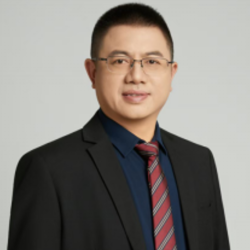

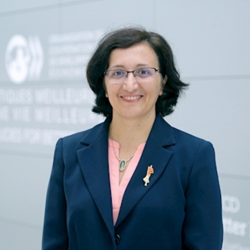 Lucia Cusmano
 Elio De Tullio
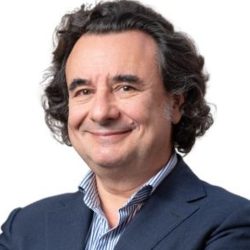 Andrea Di Anselmo
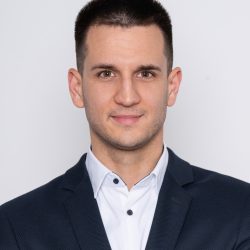 Tamas Fehérváry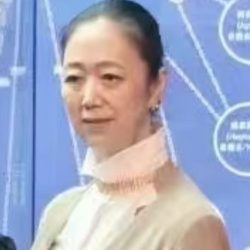
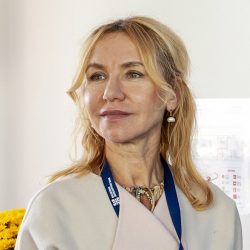 Sophia Kassidova
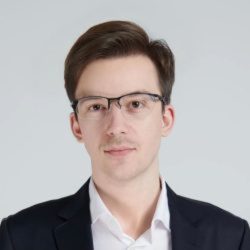 Leonard Klenner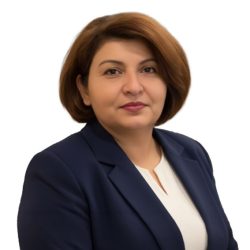
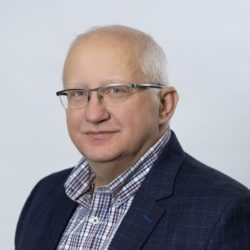
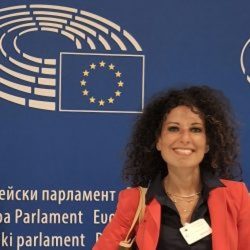 Federica Leonetti
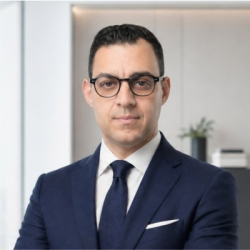 Manolis Lidakis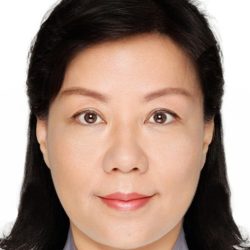
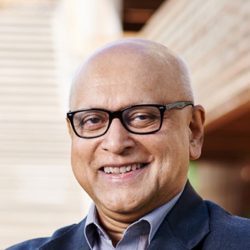 Jay Mitra
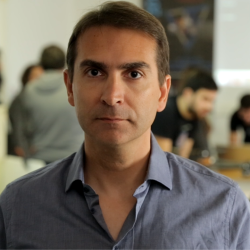 Panagiotis Partsinevelos
 Roberto Santolamazza
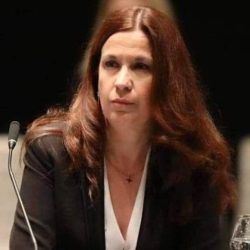 Anastasia Sarchosoglou
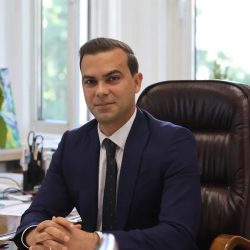 Boyko Takov
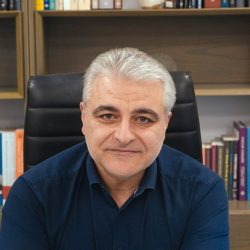 Nektarios Tavernarakis
 Hamsa Thota
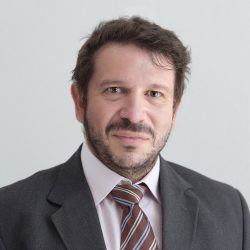 Konstantinos Vavekis
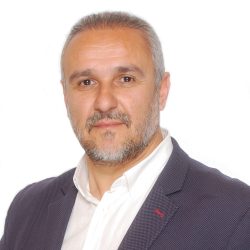 Michael Vamvoukas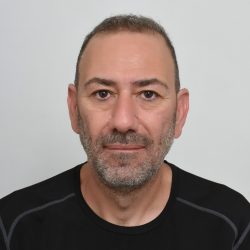
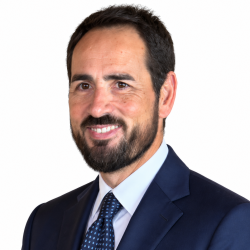 Giovanni Zazzerini
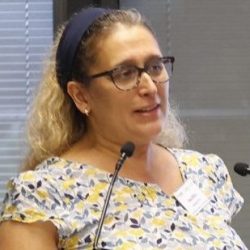 Paola Zerilli