
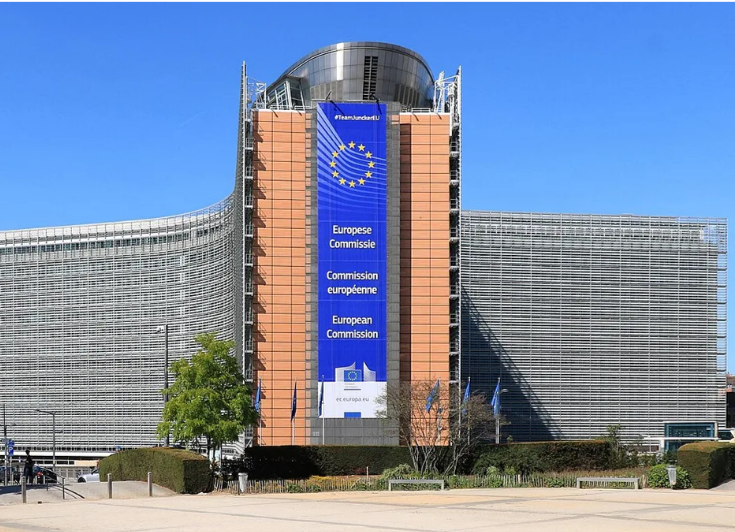
The 2026 edition of the European Innovation Scoreboard (EIS) was published by the European Commission on July 9th. The report shows an overall increase of innovation performances in Member States despite substantial differences across countries and regions.
Issued annually by the Commission, the report measures and compares the national performances of innovation systems of both Member States and 13 neighbouring non-Member European countries involved in the EU Horizon Programme, underlining strengths and weaknesses as well as progress over time. To evaluate the impact of innovation policies and decisions, the Commission focuses on 32 indicators structured around four main areas: framework conditions, investments, innovation activities, and economic and productive impacts.
Overall, the report shows that the EU innovation capacity continues to improve. All Member States have made progress compared with 2019 and, between 2025 and 2026, the EU’s overall innovation performance increased by 1.7 percentage points. However, substantial differences remain across countries, with Sweden, Denmark and the Netherlands remaining Innovation Leaders, while other continue to record lower levels of innovation performance.
Particular attention is devoted to the role of small and medium-sized enterprises in innovation processes. The Scoreboard directly measures the ability of SMEs to introduce new products and business processes, as well as the extent to which these actors collaborate with other businesses and organisations.
The report also places European innovation within a context of growing technological competition and geopolitical instability. Innovation and the diffusion of new technologies are considered essential not only for competitiveness and productivity, but also for strengthening supply chain resilience, reducing technological dependencies and supporting the green and digital transitions. At the international level, despite the progress achieved, the EU continues to be outperformed by several of its main global competitors, from South Korea to China, Canada, Australia and the United States.
Source: